Fish
Your First Fish Tank: A Starter Setup That Won't Kill Your Fish
Pawstimate Research Team· Independent pet gear researchUpdated 9 min read

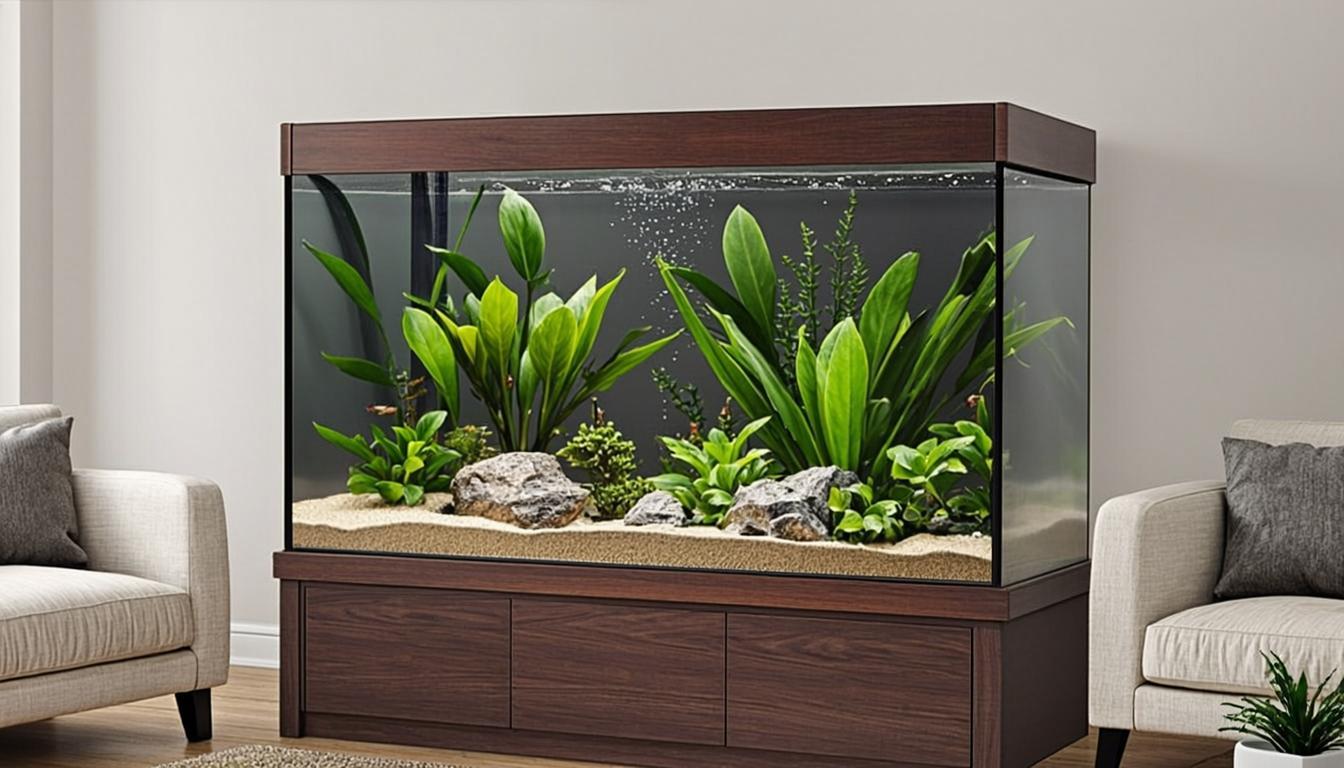
The first month of fishkeeping has a predictable failure pattern: buy tank and fish on the same day, overfeed with enthusiasm, watch the water cloud, lose fish, quit. Every one of those steps is preventable with about twenty dollars of extra gear and two weeks of patience. Here's the setup that works, and the biology that makes it work.
Why fish die in month one (usually)
Three reasons, in order of frequency: new-tank syndrome (adding fish before the biological filter exists), too-small water volume (bowl-sized water changes chemistry too fast to forgive mistakes), and overfeeding (rotting food becomes ammonia). None of these are bad luck, and all three are solved by the setup below.
The honest gear list
Five gallons minimum — ten is better. Bigger water is more stable water; the "small tanks are easier for beginners" claim is backwards. For a betta, a proper five-gallon kit like the Marineland Portrait gives you correct volume with hidden filtration and real glass instead of a bowl. It's the tank we point first-timers at more than any other.
A heater. The one thing most kits omit. Bettas and most community fish are tropical — 76–80°F. An adjustable 25–50W heater costs about the same as one lost fish.
A test kit — non-negotiable. You cannot see ammonia or nitrite; fish suffer invisibly in water that looks perfectly clear. Test strips make the habit easy enough to actually keep: the API 5-in-1 strips take a minute per test and are the single purchase most likely to save your fish.
Live plants (yes, beginner ones). Java fern, anubias and mosses tolerate low light and eat nitrates — they're biological insurance that photosynthesizes. Under a full-spectrum bar like the NICREW C10 with its automatic sunrise-to-sunset cycle, they grow without any fertilizing routine at first.
The nitrogen cycle, without the lecture
Fish waste becomes ammonia (toxic). Beneficial bacteria eat ammonia and produce nitrite (toxic). Other bacteria eat nitrite and produce nitrate (removed by weekly water changes and plants). Those bacteria live in your filter media and substrate, and they need weeks to multiply from zero. That's the whole cycle — and it's why the plan below works.
The week-by-week plan
Week 0: assemble everything except fish. Add substrate, dechlorinated water, heater (26°C), filter running, light on an 8-hour schedule. Weeks 1–3 (cycling): dose a tiny pinch of fish food every other day or use a bottled bacteria starter; test every two days. You'll watch ammonia spike, then nitrite, then finally nitrate — when ammonia and nitrite both read zero on consecutive tests, the filter is alive. Week 4: first fish. One or two, not a school. Weeks 5+: add slowly, one group at a time with a week between; feed tiny amounts; change 25% of the water weekly (gravel-vacuuming the substrate as you go).
The Aquarium Co-Op beginner guides are the best free deep-dive we know if you want the chemistry behind any of this.
Fish that forgive beginners
Bettas (alone, in heated five-plus gallons), a small group of corydoras or neon tetras in a ten-gallon, guppies and platies in hard tap-water areas. Skip goldfish in bowls entirely — they grow large, produce heavy waste and need far bigger volumes than their marketing suggests.
The full beginner setup in one list:
- Want a closer look? See Marineland Portrait 5-Gallon Aquarium Kit on Amazon (paid link) — it's a paid link, and the price you'll find there is the live one, not a snapshot from our research.
- Want a closer look? See API 5-in-1 Aquarium Test Strips on Amazon (paid link) — it's a paid link, and the price you'll find there is the live one, not a snapshot from our research.
- Want a closer look? See NICREW C10 24/7 LED Aquarium Light on Amazon (paid link) — it's a paid link, and the price you'll find there is the live one, not a snapshot from our research.
The honest bottom line
The setup that survives isn't exotic: adequate volume, a heater, a filter that's had three weeks to colonize, live plants, and a test-strip habit. The investment is real but small; the alternative — learning the cycle by losing fish — costs more in every sense.
This guide contains paid affiliate links. If you buy through them we may earn a commission at no extra cost to you — rankings here are decided by research, never by commission rates.