Birds
Do Birds Make Good Apartment Pets? An Honest Look
Pawstimate Research Team· Independent pet gear researchUpdated 8 min read

Birds rarely make the "best apartment pets" lists, which is odd — they shed no fur on the sofa, need no walk at 6am, and a well-kept cage smells less than a cat litter box. But apartment-bird compatibility isn't universal: it depends enormously on species, and the deciding factor usually isn't space. It's noise, neighbor policy and daily time. Here's the honest fit guide.
The species question is everything
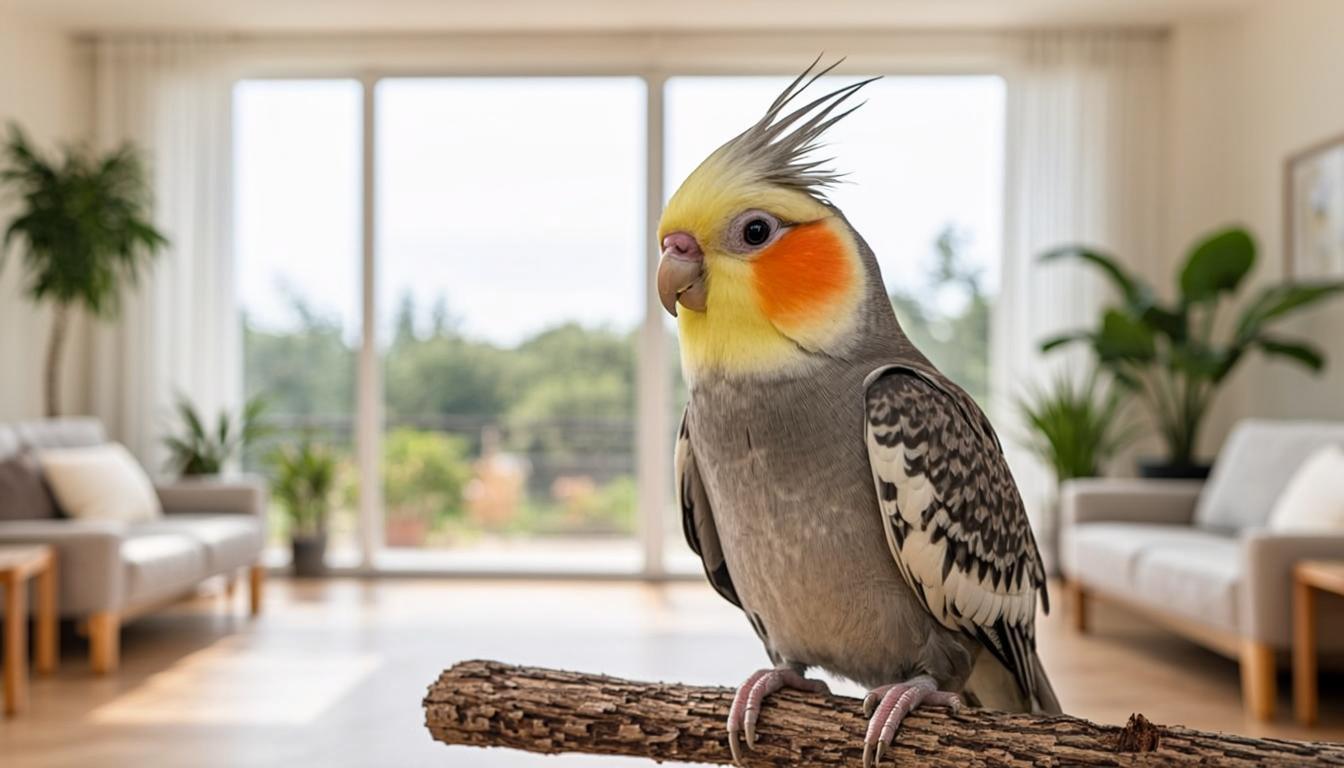
Genuinely apartment-suitable: budgies (parakeets) and cockatiels top the list. Both are small-space birds, both are quiet enough to be neighbor-invisible in a normal building (a cockatiel's contact call is a commute-friendly whistle; a budgie's chatter stays indoors), and both are social enough to bond hard with their humans. A well-built foraging toy rotation keeps them occupied in a modest footprint.
The temptation to avoid in most apartments: conures are beloved, hilarious, loud. A sun conure's contact call is designed to carry across a rainforest canopy — in a studio with thin walls, it carries to the neighbor's video calls. Lovebirds sit in between: manageable volume, big opinions.
Not apartment pets, honestly: macaws, cockatoos, African greys. Volume is the lesser problem — lifespan (50–80 years) and social needs make them a life-stage commitment most anyone can't responsibly make.
The space reality (it's the cage, not the room)
The bird itself needs little room; the cage is the actual furniture purchase. Minimums for a pair of budgies run around 30 inches wide of horizontal space (flight matters more than height), which fits most apartments fine — plan a corner, not a windowsill (drafts and direct sun both disqualify windows). A flat wooden platform and varied perches make a modest cage considerably more livable than square footage suggests.
Noise: the honest numbers
Budgies chatter at conversational volume and go quiet at dusk. Cockatiels whistle a few times a day — dawn and dusk contact calls are the loudest routine moments. Conures can hit 100+ decibels unpredictably. If you share walls, the first two are fine with normal courtesy; the third is a lease-conversation waiting to happen. One underappreciated trick: covering the lower cage with a mesh seed-catcher skirt and establishing a real bedtime routine (10–12 hours of dark, quiet sleep) dials down dawn calling in most birds — sleep-deprived birds are louder birds.
The factor nobody thinks about: air quality
Bird lungs are extraordinarily sensitive — nonstick cookware fumes (PTFE), aerosol sprays, scented candles and vape vapor can kill a bird in a well-sealed apartment before you'd notice anything wrong. Apartment cooking happens close to where the bird lives, so this matters more in a studio than a house. If you cook with nonstick pans daily, this is a real risk to research honestly before committing; the World Parrot Trust's husbandry resources cover household hazards in detail.
Time, mess and the real cost
Birds are social flock animals: an hour of interaction daily is the floor, not the ceiling, for a bonded budgie or cockatiel. Mess is seed hulls and feather dust — a window feeder outdoors gives the bird-watching hobby a zero-mess indoor bonus, but cage maintenance (weekly deep clean, daily hull sweep) is non-negotiable. Vet care from an avian-experienced clinic costs more than the average dog visit and is worth researching before adoption — not every city has one.
Two small purchases that make apartment bird-keeping tidier:
- Want a closer look? See Gbekery Window Bird Feeder on Amazon (paid link) — it's a paid link, and the price you'll find there is the live one, not a snapshot from our research.
- Want a closer look? See Daoeny Bird Cage Cover & Seed Catcher on Amazon (paid link) — it's a paid link, and the price you'll find there is the live one, not a snapshot from our research.
The honest bottom line
A pair of budgies or a single well-bonded cockatiel is one of the genuinely great apartment pets: compact, clean by pet standards, and characterful far beyond their size. The honest requirements are daily interaction, a real sleep routine, tolerance for dawn chatter, and a kitchen you're willing to change habits for. If those sound fine, the fit is genuinely good; if the noise or the time makes you hesitate, the bird will pay for your optimism. Fit first, species second, gear third.
This guide contains paid affiliate links. If you buy through them we may earn a commission at no extra cost to you — it never changes what we recommend.