cat treats
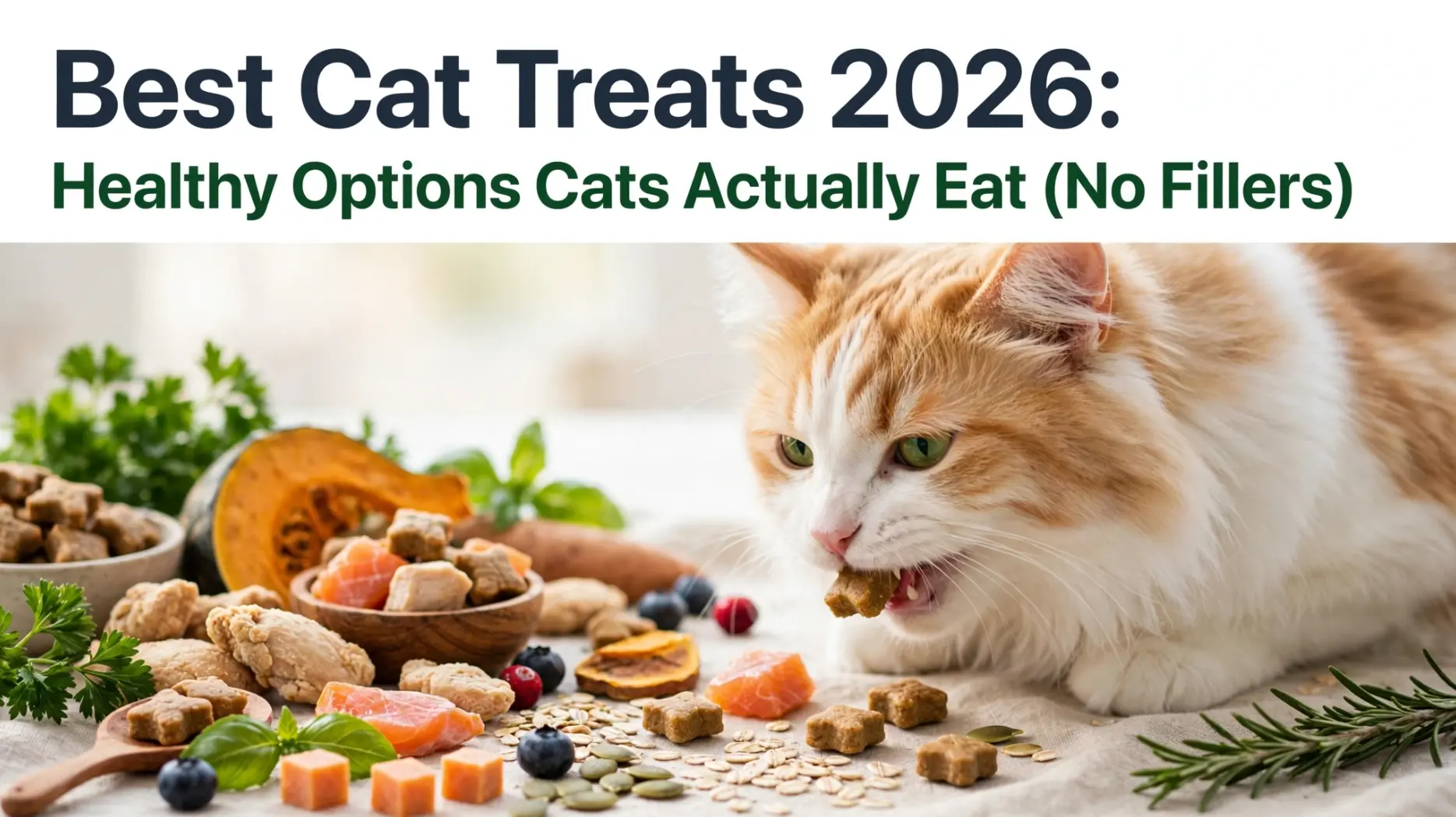
Best Cat Treats 2026: Healthy Options Cats Actually Eat (No Fillers)
· 9 min read
You bought those fancy freeze-dried salmon treats. Your cat smelled them, walked away.
Then they begged for the cheap tuna-flavored treats from five years ago.
Cat taste is unpredictable. But there are patterns—and things to avoid. Here's what cats actually like and what won't destroy their health.
Why Some Cats Reject Treats
-
Flavor doesn't match their preference Your cat likes tuna. You bought chicken. That's it—they're done.
-
Texture is wrong Some cats like crunchy (dental benefit). Others refuse anything hard. Texture matters as much as flavor.
-
Treat smells "off" Cats have sensitive noses. Old treats, weird chemical smell, or unfamiliar scent = rejected.
-
It's not actually food to them Cats are obligate carnivores. They know the difference between meat and plant-based products. Many "treats" taste fake to them.
-
You gave them a different brand yesterday Cats have strong flavor memories. Switching brands confuses them.
Types of Treats Cats Like
Type 1: Freeze-Dried Meat
What: Actual meat, moisture removed, that's it.
Examples: Freeze-dried salmon, chicken, beef, duck.
Pros:
- Real meat (actual nutrition)
- High protein
- No fillers
- Long shelf life
- Cats love it
Cons:
- Expensive ($1-3 per treat)
- Can cause digestive upset if overfed
- Smelly (but cats like this)
Best for: Reward training, special occasions, cats that prefer real meat.
Recommendation: PureSnack Freeze-Dried Salmon Treats — tested, no fillers, cats obsess over them.
Price: $10-20 per bag
Type 2: Crunchy/Dental Treats
What: Hard kibble-style treats designed to clean teeth.
Pros:
- Mechanical cleaning action
- Cats enjoy crunching
- More affordable
- Last longer (cats work on them)
Cons:
- Less meat content (more filler)
- Some are high calorie
- Cats with dental issues can't eat them
- Quality varies widely
Best for: Young cats, dental health maintenance, budget-conscious owners.
Price: $5-15 per bag
Type 3: Soft/Chewy Treats
What: Moist, chewy treats (usually poultry-based).
Pros:
- Cats enjoy the texture
- Easier to portion (smaller pieces)
- Good for hiding medication
- Affordable
Cons:
- More fillers than freeze-dried
- Shorter shelf life (opened)
- Can cause digestive issues
- Variable quality
Best for: Cats with sensitive teeth, mixing with medication, training.
Price: $3-10 per bag
Type 4: Stick Treats (Catnip or Meat)
What: Long thin treats, often with catnip or tuna flavor.
Pros:
- Fun texture
- Cats go crazy (catnip version)
- Long-lasting
- Good for play engagement
Cons:
- Often poor quality
- Lots of fillers
- Can cause choking (supervise)
- Some cats ignore them
Best for: Playtime engagement, catnip lovers, supervised use.
Price: $2-8 per pack
Treats to Avoid
❌ Treats with corn, wheat, soy Cats can't digest these well. Useless filler.
❌ "Tuna-flavored" but no tuna Chemical flavor, not real tuna. Cats taste the difference.
❌ Treats with artificial colors/dyes Your cat doesn't care about color. Dyes are garbage filler.
❌ Treats with BHA, BHT, ethoxyquin Preservatives linked to health issues. Avoid.
❌ Plant-based treats Cats are carnivores. Vegetables aren't treats to them (they're boring).
**❌ Human food scraps (especially chocolate, onions, garlic) Toxic to cats. Never.
How Many Treats is Too Many?
Guideline:** Treats = max 10% of daily calories.
Example: 10-lb cat eating 100 calories/day = max 10 calories in treats.
Freeze-dried salmon: ~2-3 calories per small piece Crunchy treats: ~5-8 calories each Soft treats: ~3-5 calories each
Most owners overfeed treats. Monitor carefully or your cat gets fat.
Training Treats (For Clicker Training)
Small pieces work best. Reward immediately after behavior.
Best for training: Freeze-dried meat (high value) or tiny soft treat pieces (easy to consume fast).
Rule: Treat within 2 seconds of desired behavior or cat forgets what they did right.
Treat Storage
Freeze-dried: Airtight container, stays fresh 6-12 months unopened.
Soft treats: Sealed bag, use within 3-6 months (check date).
Crunchy treats: Sealed bag, 6-12 months (less affected by time).
Once opened: Use within 2-4 weeks (quality degrades).
Healthy Homemade Treats (If You're Ambitious)
Freeze-dried DIY:
- Buy fresh meat from store
- Freeze solid
- Use home freeze dryer (expensive upfront, cheap per treat)
- Store in airtight container
Pros: You know every ingredient. Cons: Requires freeze dryer ($2,000-4,000 machine).
Budget option: Just give small pieces of cooked chicken/turkey. Same nutrition as expensive treats.
FAQ
Q: Can treats replace meals? No. Treats are supplements, not nutrition. Meals are meals.
Q: Why won't my cat eat the treats I bought? Taste preference, quality, or it's just not their thing. Try freeze-dried salmon (universally loved).
Q: Are dental treats actually good for teeth? Some benefit (mechanical cleaning). Not a substitute for vet dental care, but helpful.
Q: Can I give my cat treats every day? Yes, as long as total = max 10% of daily calories. Track portions.
Q: Are expensive treats actually better? Not always. Price ≠ quality. Read labels: meat first, no fillers, recognizable ingredients.
Bottom Line
Your cat's treat preferences are personal. But freeze-dried meat is almost universally loved—expensive, yes, but cats actually eat them.
Avoid fillers, artificial stuff, and high-calorie treats. Give small portions. Watch your cat's weight.
A few high-quality treats are better than a bag of junk your cat ignores.