cat hydration
Best Cat Water Fountains 2026: Why Your Cat Needs One (Kidney Health)
· 9 min read
Your cat ignores the water bowl you filled this morning.
Tomorrow, your vet mentions that your cat is showing early signs of kidney disease.
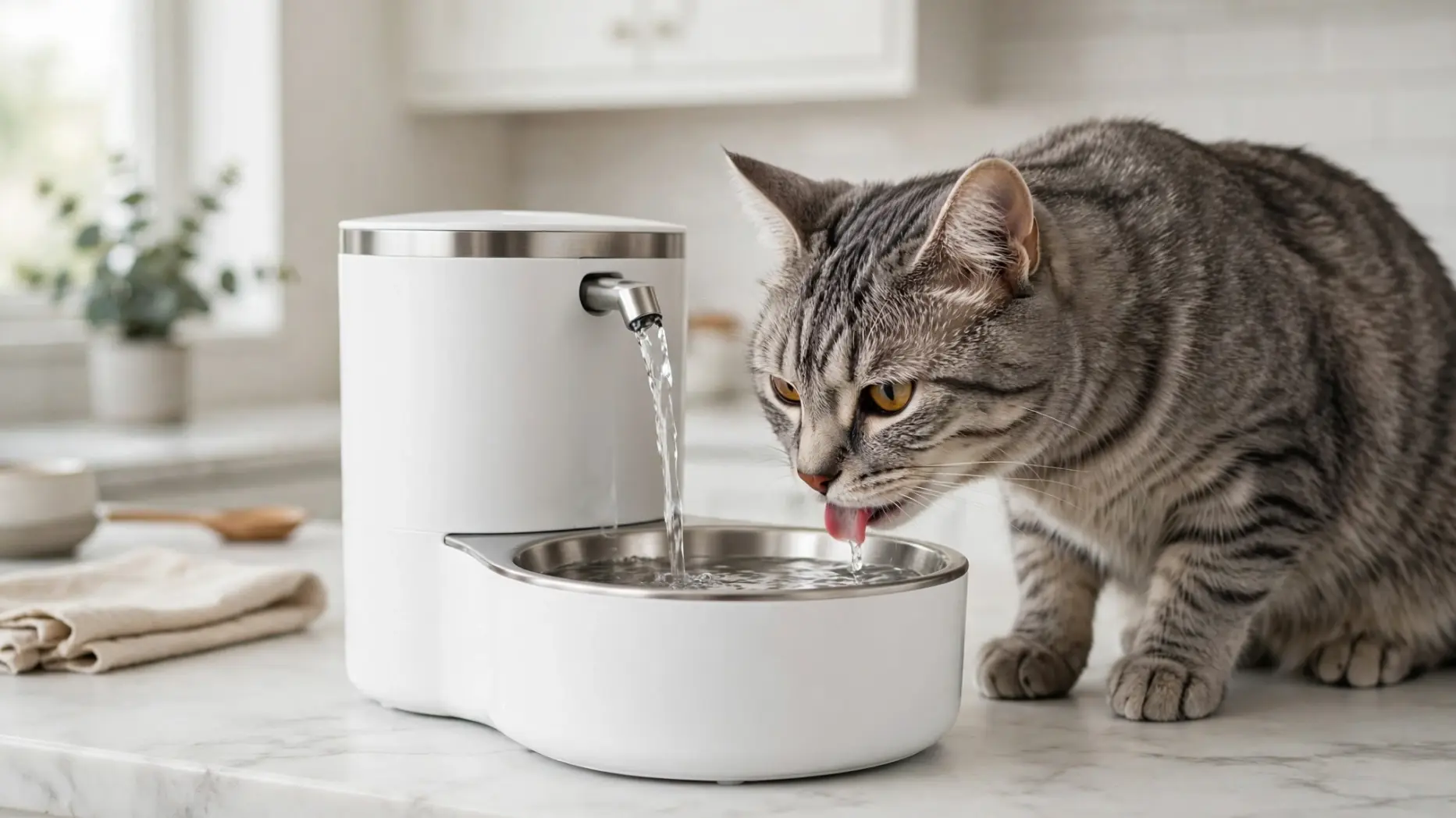
These two things are connected. Cats have terrible thirst drives. Static water bores them. Moving water signals "safe to drink" in their instincts. A water fountain can literally extend your cat's life.
Here's why fountains matter and which ones work.
The Dehydration Problem
Cats are designed for deserts. They got water from prey. They don't have strong thirst drives like dogs. Put a bowl of water in front of them? They ignore it.
Result: Chronic dehydration.
By age 10-15, 30-40% of indoor cats develop kidney disease. Dehydration is a primary cause.
A water fountain? Seems silly. But it's one of the highest-ROI pet purchases you can make.
Why Fountains Work
- Moving water signals safety (cats trust running water more than stagnant)
- Sensory interest (sound + movement engages them)
- Freshness (keeps water oxygenated)
- Placement opportunity (put away from food, where cats want to drink)
Many cats will drink 2-3x more water from a fountain vs. a static bowl.
Signs Your Cat Isn't Drinking Enough
- Concentrated urine (dark yellow)
- Lethargy
- Dry mouth
- Constipation
- Sudden kidney disease diagnosis
If you see these, a fountain can help—but see a vet first.
Types of Cat Water Fountains
Type 1: Recirculating (Pump-Based)
What: Water continuously circulates through a pump.
Pros:
- Always fresh, moving water
- Most cats enjoy the flow
- Various styles available
- Affordable ($20-60)
Cons:
- Pump needs cleaning (mineral buildup)
- Requires electricity
- Filter replacement ($5-15/month)
- Noise (some cats dislike it)
Best for: Most cats, especially those that ignore still water.
Recommendation: AquaPaw Stainless Cat Water Fountain — tested, quiet, easy to clean.
Type 2: Gravity-Fed (No Electricity)
What: Water drips slowly using gravity (no pump).
Pros:
- Silent
- No electricity needed
- Affordable ($15-40)
- Low maintenance
Cons:
- Slower flow (some cats ignore it)
- Limited water capacity
- Requires frequent refilling
Best for: Quiet households, battery-averse owners, cats that like slow drips.
Type 3: Stainless Steel (Premium)
What: Heavy-duty stainless fountain, pump-based.
Pros:
- Durable (lasts years)
- Dishwasher-safe parts
- Premium appearance
- Best for long-term use
Cons:
- Expensive ($50-120+)
- Heavier to move
- Overkill for most homes
Best for: Multi-cat homes, long-term investment, cats that are rough on equipment.
Placement Matters
DO:
- Place away from food bowl (cats don't like drinking near toilets/food)
- Put in quiet location
- Near where cat hangs out
- Easily visible
DON'T:
- Right next to food
- In high-traffic, scary areas
- Hidden in closets
- Difficult for cat to access
Maintenance (Critical)
A dirty fountain won't help. Your cat will ignore it.
Weekly:
- Empty and refill
- Wipe bowl
- Check for debris
Monthly:
- Deep clean
- Replace filter
- Clean pump (mineral deposits)
Quarterly:
- Deep descaling (white vinegar solution)
- Inspect for cracks
- Check pump function
Laziness tip: Buy TWO fountains. Keep one running while you clean the other. Your cat never has a dirty fountain.
Fountain + Food Separation
This is critical: Place fountain away from food bowl (6+ feet).
Cats perceive "drinking where I eat" as gross. Many will avoid both water and food if they're close together.
Odd behavior? Maybe. Dealbreaker for hydration? Yes.
Do Cats Actually Use Fountains?
Short answer: Most do (60-70% of cats prefer fountains to bowls).
Reality: It takes 1-2 weeks for some cats to discover the fountain. Place it, leave it on, wait. Many cats eventually ignore bowls entirely once they find the fountain.
Filter Costs (Ongoing)
Standard fountain filters: $5-15/month
Some fountains use charcoal filters (replaceable), others use built-in filters (washable).
Budget: $60-180/year in filters + electricity (~$5/year)
ROI: Kidney disease prevention in one cat = $1000-3000/year in vet bills. Fountain pays for itself instantly.
FAQ
Q: Do fountains really prevent kidney disease? No guarantee, but they significantly reduce dehydration risk. Early detection + hydration = better outcomes.
Q: Will my cat use a fountain? Most will after 1-2 weeks. Some ignore it. If your cat ignores water bowls too, try anyway.
Q: Can I use tap water? Yes, but filtered water (in the fountain) reduces mineral buildup and is better for your cat.
Q: How much does a cat actually drink from a fountain? Variable. Some increase water intake 50%+. Others modest improvement. Any increase is valuable.
Q: Do I still need water bowls? Yes, as backup. Power outages, fountain breaks, etc. Keep 1-2 static bowls available.
Bottom Line
Your cat doesn't ignore water bowls because they're arrogant. They ignore them because they're boring. A fountain costs $30-50 and could add years to your cat's life by preventing kidney disease.
Single best investment for cat health after food.
Get one. Clean it. Watch your cat drink more. Problem solved.