Cats
Car Travel With Cats: Carrier Training That Actually Works
Pawstimate Research Team· Independent pet gear researchUpdated 7 min read

For most cats, the only vehicle they ever board is the one that goes to the vet. The carrier comes out of the closet twice a year, the cat vanishes under the bed, and the drive is a soundtrack of protest. Change one variable — make the carrier a normal, boring part of the house — and most of that drama evaporates. This is one of the highest-return, lowest-effort trainings in cat ownership.
The core idea: carrier as furniture
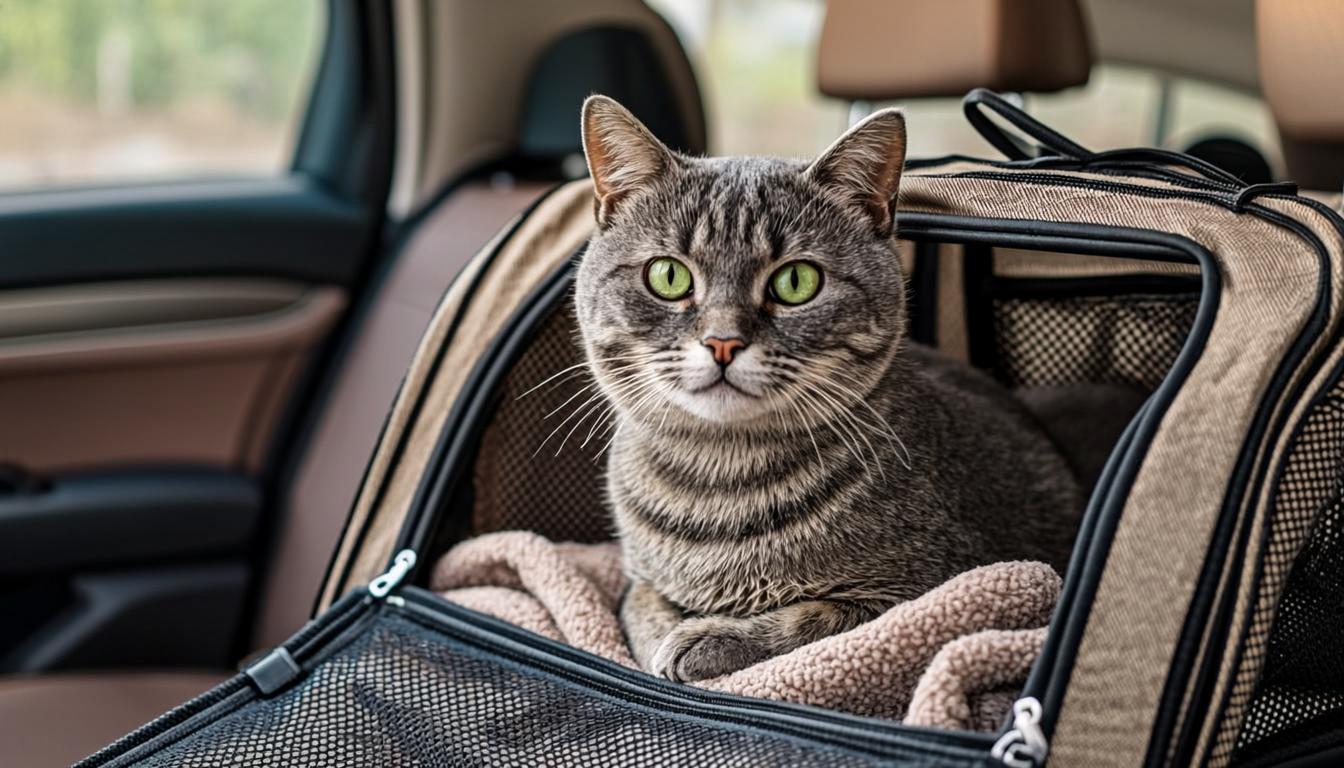
A carrier that only appears before bad news is a warning sign; cats are context geniuses. Leave the carrier out permanently — living room, a corner the cat already likes, door open or removed entirely, a soft blanket inside. Feed near it, then in it, then toss treats to the back. Within days to weeks, most cats start napping in it unprompted. Once the carrier is a napspot, the drive starts from a place of comfort instead of ambush.
Building the drive, step by step
Naps first, motion later. Closed carrier, picked up for ten seconds, set down, treat. Then carried around the house. Then a trip to the car (engine off), treat, back inside. Then engine on for a minute. Then a drive around the block. Each step ends with something good and goes back a level if the cat panics — panic is information that you moved a step too fast.
The blanket does real work. A blanket that smells like home covers the carrier in the car; covered carriers measurably calm most cats. Use a familiar one (it has already been through the house-scent exchange if you've read our introducing-a-second-cat guide) — familiar scent is doing quiet work in a stressful moment.
Secure the carrier properly. Seat-belted on the back seat, on flat floor space, never loose on a seat and never the front airbag zone. A braking incident turns an unsecured carrier into a projectile; this is the one non-negotiable on the list.
Choosing a carrier that helps
Two features matter more than brand: a top-opening door (how do you think a cat gets into a vet clinic? — top-loading avoids the drag-the-angry-cat-out scene) and mesh visibility without total exposure (covered sides calm; total mesh on all sides can overstimulate). Size so the cat can stand and turn, not stretch to full length — snug is calming, cavernous is wobbly. Our airline-approved carrier pick hits the practical list: top entry, mesh sides, seat-belt strap, and a frame that doesn't sag onto the cat.
Motion sickness and long drives
Skip the pre-travel meal (a light meal 3–4 hours before, water always), crack the window slightly for air pressure stability, and ask your vet about anti-nausea options for known pukers — there are genuinely effective prescription options now. For long relocations, plan litter breaks at quiet stops with the cat in a harness inside the car, never outside. The AVMA's travel guidance covers the paperwork and safety basics if you're crossing states or flying.
A carrier that makes this training easier (top entry, mesh sides, seat-belt strap):
- Want a closer look? See MASKEYON TSA Airline-Approved Pet Carrier on Amazon (paid link) — it's a paid link, and the price you'll find there is the live one, not a snapshot from our research.
The honest bottom line
Carrier training is five minutes of treats a few times a week, started three or four weeks before you need it. The carrier lives in the room, the cat naps in it, and the next vet day is a quiet drive instead of an adrenaline event. No product replaces that routine — but the right carrier makes the routine far easier to win.
This guide contains paid affiliate links; if you buy through them we may earn a commission that never changes what we recommend.