Dogs
Dog Paw Care Through the Seasons: A Plain-English Guide
Pawstimate Research Team· Independent pet gear researchUpdated 7 min read

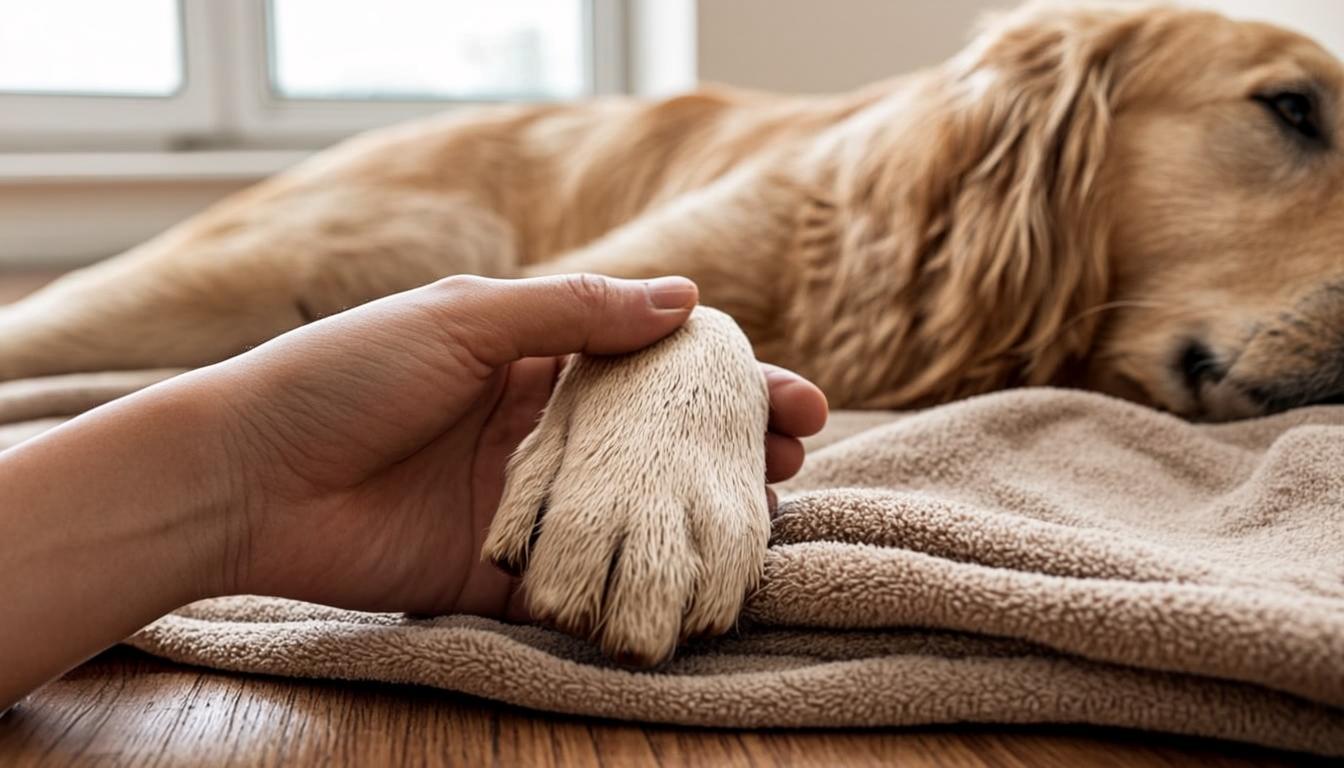
Paws are the only part of a dog that touches the entire world directly — asphalt in August, ice salt in January, burrs and gravel in between. And because dogs hide soreness instinctively, paw problems are usually discovered late: the limp appears days after the crack started. A two-minute monthly check plus a few seasonal habits prevents most of it.
The two-minute check (any season)
Sit the dog down and handle each paw: look between the toes for redness, swelling or something wedged (grass seeds are the autumn classic — they migrate, so don't ignore one); check pad edges for cracks or smooth-but-dark friction burns; press gently — flinching tells you where to look closer. Nails should clear the floor when standing. If you hear clicking on tile, they're overdue, and if nail trims are a fight in your house, our nail grinder review covers the file-don't-cut approach that nervous dogs tolerate.
Summer: the asphalt problem
The rule worth memorizing: seven-second hand test — press the back of your hand on the pavement for seven seconds. If you can't hold it, it burns paws. Walk early or late, favor grass and shade, and remember that dark asphalt and sun-warmed metal (manhole covers, truck beds) run hottest. Friction burns from hot pavement look deceptively mild at first and get ugly by day two. Winter brings its own chemistry: ice-melting salts irritate pads and are mildly toxic when licked off — a paw rinse with a damp cloth after winter walks is the whole solution, and it doubles as a chance to check for ice balls between toe pads in fluffy breeds.
Autumn: seeds, burrs and damp
Grass seeds (foxtails in the west especially) are the season's real hazard — they spear into pads and, worse, into ear canals. A ten-second paw-and-ear check after walks in seed-heavy fields catches them before they migrate. Damp walks mean damp paws: dry thoroughly after rain, because constantly moist toe folds brew interdigital irritation, especially in wrinkly breeds.
Moisturize — but properly
Cracked pads benefit from a dog-safe paw balm; use products made for dogs (some human moisturizers soften pads more than is safe — pads need some toughness). Apply after the evening walk so the dog isn't immediately walking on fresh balm, and expect the dog to lick some off, which is why dog-safe labeling matters. For general skin-and-paw health in dry months, grooming matters too — an oatmeal bath with something like the Earthbath oatmeal & aloe shampoo conditions skin that dry winter air strips.
When it's more than dry pads
Licking one paw constantly, limping past a day, swelling that doesn't fade overnight, or a pad that splits deep enough to see pink tissue — that's vet territory. So is any seed you can see but not remove cleanly. For the deeper reference on what's normal, the VCA Hospitals paw care overview is a solid starting point for breed-specific questions.
Two products that make the paw-care routine easier:
- Want a closer look? See Casfuy Dog Nail Grinder on Amazon (paid link) — it's a paid link, and the price you'll find there is the live one, not a snapshot from our research.
- Want a closer look? See Earthbath Oatmeal & Aloe Dog Shampoo on Amazon (paid link) — it's a paid link, and the price you'll find there is the live one, not a snapshot from our research.
The honest bottom line
Paw care isn't a product you buy once; it's a two-minute habit that scales with the season — rinse after salted walks, check after field walks, walk early in heat, balm cracked pads at night. Do the monthly check and you'll catch most problems while they're still boring.
This guide contains paid affiliate links. Commissions never decide what we recommend — you can read how we're funded on the disclosure page.