GuineaDad Original Fleece Cage Liner — Absorbent Core with Burrowing Pocket, Fits C&C 2x3 — image 1
Best for guinea pigs

GuineaDad

GuineaDad Original Fleece Cage Liner — Absorbent Core with Burrowing Pocket, Fits C&C 2x3

4.5/ 5Our editorial verdict — research-based, independently ranked

The fleece liner that replaced disposable bedding for a lot of guinea pig owners: a wicking top layer, absorbent core and waterproof bottom — with a burrow pocket pigs actually use.

Check price

Paid link — live price & availability on Amazon. We may earn a commission.

What we like

  • Cage stays visibly drier and smells less than shavings — the wicking really works
  • The pocket gets used constantly; it's the first spot pigs claim
  • Long-run savings versus disposable bedding stacks up fast
  • Softer underfoot for piggy feet than loose bedding

What we'd change

  • No tumble drying — heat kills the waterproof layer, so air-dry time needs planning (buy two)
  • Fleece needs the right wash routine (no fabric softener) or wicking degrades
  • Sized for C&C builds — measure your cage floor before assuming fit

Key specifications

Type
Fleece cage liner with burrow pocket
Layers
Wicking fleece / absorbent core / waterproof base
Fit
C&C 2x3 and other sizes — measure first
Care
Cold wash, no softener, AIR DRY ONLY
Best for
Guinea pigs

Our verdict

The switch most guinea pig owners eventually make

Ask long-term guinea pig owners what changed their routine most, and the answer is usually 'ditched shavings for fleece.' This liner is a big part of why: three layers that move moisture downward — wicking fleece on top, absorbent core in the middle, waterproof backing below — so pee disappears into the liner instead of pooling where pigs walk.

The pocket is the point

The built-in burrow sleeve is the feature pigs claim first. Guinea pigs are prey animals; a covered space with one entrance reads as safety, and most pigs treat the pocket as home base within a day. It's also entertainment — tunneling in and out is a daily routine.

The wash math

One pig: one wash a week. Two pigs: twice. Cold cycle, no fabric softener (it clogs the wicking), air-dry. Tumble heat is the one thing that ruins the waterproof layer, which is why veterans own two liners and rotate. Against the monthly cost of disposable bedding, the math favors fleece within a couple of months.

The honest drawbacks

Air-dry time is the real cost — a damp liner can't go back in the cage, so a backup is effectively mandatory if you wash weekly. And the wash rules matter: softener or hot dryer shortens the liner's working life. Buy two, follow the care label, and the system runs itself.

What owners say

Summary of recurring themes in verified owner reviews, paraphrased from our research — not quotes or counts.

What owners praise: cage cleaning drops from a full bedding change to a quick sweep plus weekly wash, piggies burrow into the pocket lining happily, and long-term owners report drier cages than paper bedding ever managed.

Recurring complaints: the upfront price stings compared to a bag of bedding (it pays back over months), guinea pigs chew the edges over time, and wash routines need an extra spin cycle to dry properly.
About this pick

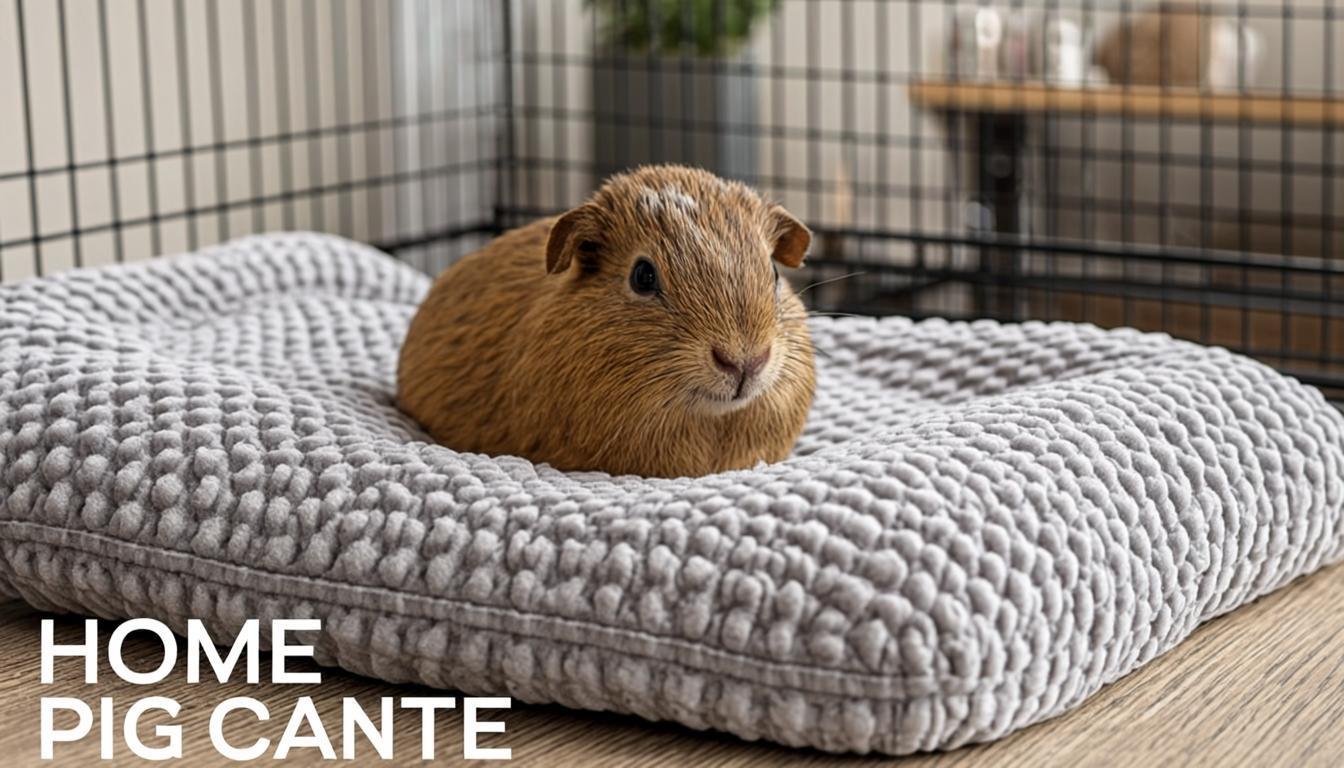
  • THREE-LAYER SYSTEM — moisture-wicking fleece top, absorbent middle, waterproof bottom that keeps cage floors dry underneath
  • BURROWING POCKET — a sewn-in sleeve along one side where pigs hide, tunnel and nap, wired-in instinct made easy
  • FITS C&C 2x3 CAGES — sized for the standard 2x3 grid cage; other sizes exist for bigger builds
  • MACHINE WASHABLE — toss in a cold cycle, air-dry, back in the cage; one wash per pig per week is the usual rhythm
  • SAVES OVER DISPOSABLES — a one-time purchase against a monthly pile of paper bedding

Keep exploring

Compare with similar picks