Our verdict
Combining the two things rabbits do most
Here's a fact that surprises new rabbit owners: rabbits toilet while they eat. It's instinct — in the wild, grazing and dropping happen together, which is exactly why litter training works so well when the hay source sits at the toilet. This station builds that pairing into one unit: a hay rack feeding through to a litter zone underneath, so the rabbit's bathroom doubles as its dining room, by design.
How it changes daily routine
Hay waste drops hard. Loose hay on the floor gets walked on, slept on and spoiled; hay in the rack is pulled and eaten. You refill once instead of sweeping and re-piling constantly, and the litter zone under the feeder stays busier and cleaner-scoped — most mess ends up in one place you're already scooping.
Build and fit
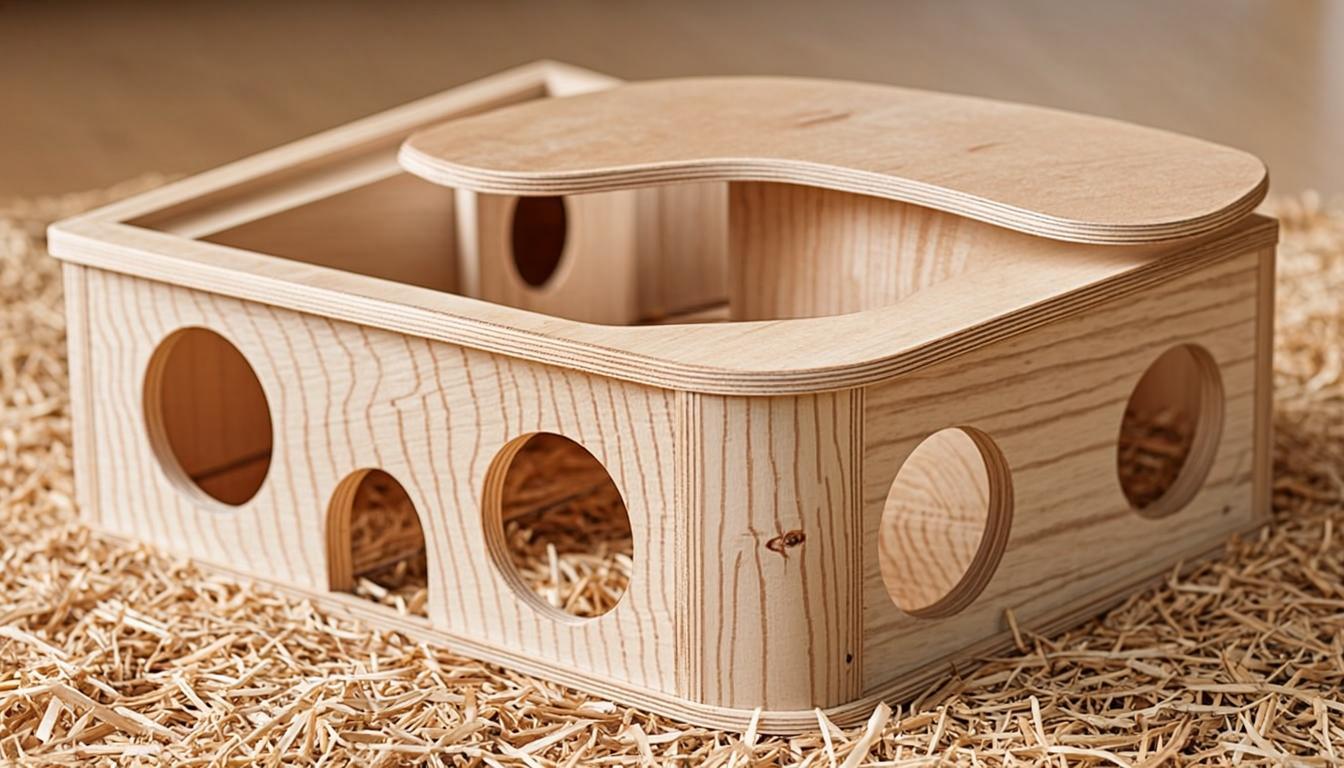
The frame is wooden with a slatted rack that holds a generous flake of timothy or orchard grass. Rabbits pull hay through the slats, which slows consumption slightly and adds a light foraging element. Assembly is straightforward; place it in the corner the rabbit has already chosen as its toilet and the training usually finishes itself.
The honest drawbacks
Wood near a litter box needs cleaning discipline — a weekly scrub with pet-safe cleaner keeps the frame from absorbing odor. Chewers will texture the wood (safe, but consumable). And giant breeds need a size check: measure your rabbit's length and compare to the station's footprint before ordering.
What owners say
Summary of recurring themes in verified owner reviews, paraphrased from our research — not quotes or counts.
What owners praise: combining hay and litter in one station matches rabbit instincts (they eat where they poop) and visibly cuts pen mess — rabbit owners report easier daily routines and less wasted hay.
Recurring complaints: the wooden frame needs spot-cleaning around the litter area, very large breeds need the XL size with more floor space, and assembly instructions are minimal.

 Top pick