small pets
Oxbow vs Kaytee Timothy Hay (2026): Which Hay Should You Actually Buy?
Pawstimate Research Team· Independent pet gear researchUpdated 9 min read

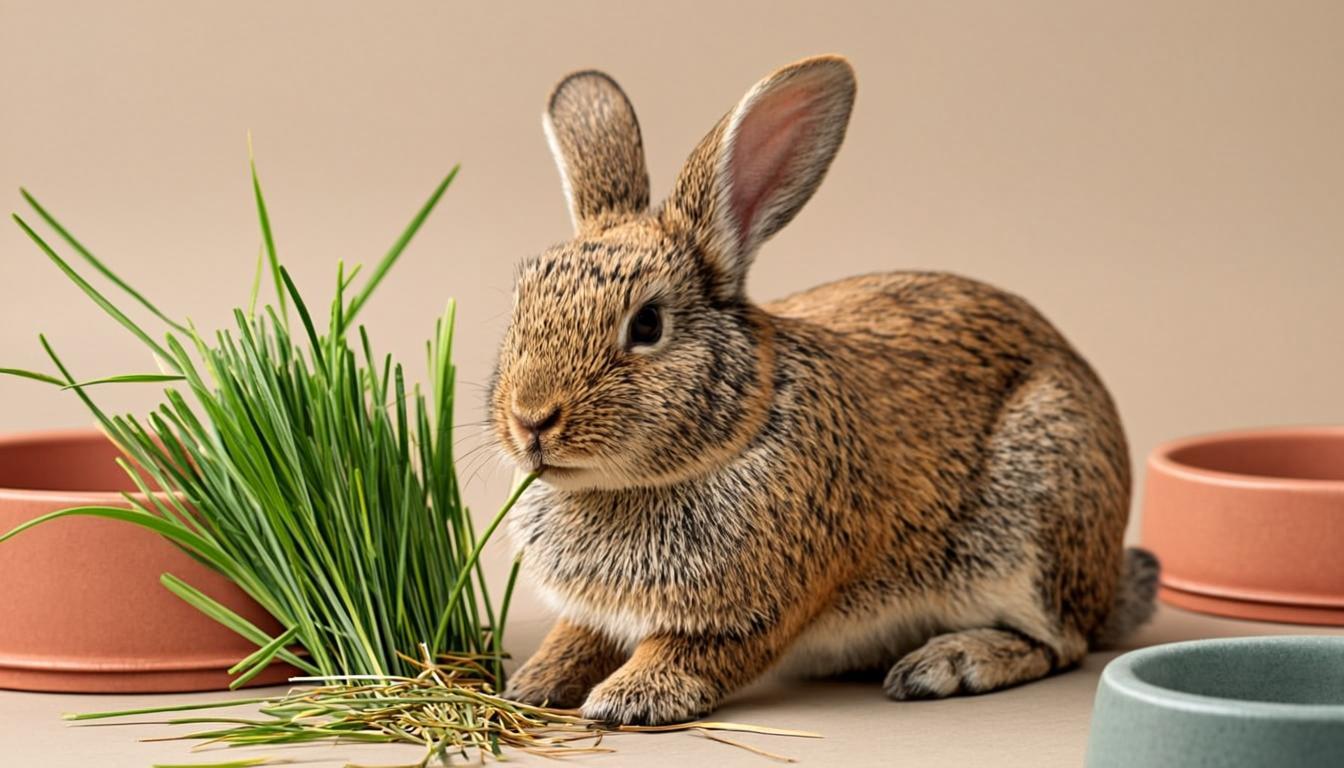
Quick answer: Oxbow Timothy Hay is the better product — greener, softer, more consistent from batch to batch, and the brand most exotic vets stock in their own clinics. Kaytee Timothy Hay is the better value — often 30–50% cheaper per pound and perfectly good when a bag arrives fresh. Feed Oxbow as the staple for a single picky or health-sensitive pet; feed Kaytee when unlimited-hay volume on a budget matters more than last-cut polish, and judge each bag on arrival.
Hay is 80–90% of a rabbit's or guinea pig's diet, which makes the hay aisle the most consequential purchase a small-pet owner makes weekly. Two brands own it: Oxbow Animal Health, the vet-office standard, and Kaytee, the big-box value staple. Both sell "timothy hay." They are not the same product in the bag — and the difference is bigger than the price tag suggests.
How we evaluated: strand color and leafiness on arrival, dust level, stem-to-leaf ratio, smell, batch-to-batch consistency across bags, small-herd acceptance (do they actually finish it), and cost per pound at typical US pricing.
Why timothy hay in the first place
Adult rabbits, guinea pigs and chinchillas need a grass hay — timothy is the classic — because their digestive systems evolved for constant fibrous foraging, and their teeth never stop growing. Long-strand fiber does three jobs at once: keeps the gut moving, grinds molars to a healthy wear surface, and keeps boredom chewing occupied. Alfalfa is a legume, not a grass — richer in calcium and protein, appropriate for growing babies and underweight convalescents, and wrong for healthy adults long-term. When a product says "timothy hay," it's promising that adult-appropriate grass-hay profile.
Oxbow Timothy Hay review — the consistency king
What's good: Oxbow's hand-selected timothy arrives green, leafy and sweet-smelling with impressive regularity — open five bags across five months and you get five similar products. That consistency is not an accident: Oxbow sources and sorts aggressively, and it's why the brand sits in the waiting rooms of most exotic vets. Strands are pliable (bend, don't shatter), dust is minimal straight from the bag, and acceptance is the highest we've seen among hay-suspicious rabbits. Second-cut character dominates: soft, leafy, easy to eat.
What's not: price. Per pound, Oxbow runs meaningfully above Kaytee, and for a bonded pair or a guinea pig herd eating hay by the fistful, the monthly difference is real. Some bags skew stemmier than the photos suggest — it's still good hay, but it's not the ultra-leafy third-cut experience picky owners chase.
Best for: single pets, picky eaters, seniors with dental sensitivity, and anyone whose vet has said "improve the hay."
Read the full product breakdown in our Oxbow Timothy Hay review.
Kaytee Timothy Hay review — the budget workhorse
What's good: Kaytee Timothy Hay Complete sells the lowest price per pound of the major brands, in resealable multi-pound bags that make unlimited hay genuinely affordable — and unlimited hay is the actual veterinary prescription, not a premium-brand portion. The western-grown timothy is sun-cured, and when a bag lands fresh it's genuinely good: green, fragrant, long-strand. The Plus botanical blends (chamomile, lavender) have a legitimate use: restarting stalled hay eating.
What's not: batch variance. Kaytee ships volume, and quality occasionally varies — bags that arrive browner, stemmier or dustier than the last one. Nothing dangerous, just less polished. The fix is behavioral, not brand-switching: open and inspect every bag on arrival (green, grassy smell, pliable strands), photograph and exchange bad ones, and fluff compressed hay before serving. Rabbits judge with their noses; hay that smells like nothing gets ignored until it's aired out.
Best for: multi-pet households, budget-focused feeding, and backup stock.
Full details in our Kaytee Timothy Hay Complete review.
Oxbow vs Kaytee: side-by-side
| | Oxbow Timothy Hay | Kaytee Timothy Hay Complete | |---|---|---| | Freshness on arrival | Consistently green & leafy | Good, varies by batch | | Dust level | Minimal | Low–moderate | | Cut character | Mostly 2nd cut, soft | Mixed cut, more stems | | Picky-eater acceptance | Highest we've seen | Good when fresh & aired | | Price per pound | Premium | Lowest of the majors | | Best for | The staple for one fussy (or senior) pet | Unlimited volume on a budget |
Can't decide? The two-brand system most owners settle on
The practical answer isn't one or the other — it's Oxbow as the feeder staple with Kaytee as volume backup. Fill the hay feeder with the brand your animal eats most eagerly, keep the cheaper bag for bedding-top-ups, foraging toys and the litter station (where rabbits do most of their grazing anyway). The animals get premium hay where it counts and the budget survives the unlimited-forage prescription. Our small-pet essentials guide covers the full habitat this feeding system lives in.
How to judge any bag of hay in 30 seconds
- Color — mostly green with some golden strands is right; brown throughout is old.
- Smell — sweet grassy, like a summer field. Musty, cardboard-ish or odorless means stale.
- Feel — strands bend without snapping into dust. Brittle bags lost their moisture.
- Dust — shake a handful; a visible cloud means respiratory irritation for small lungs.
- Critters — any webbing, clumping or moths: discard the whole bag, not just the section.
FAQ
Q: Is Oxbow timothy hay worth the extra cost? For most single-pet households, yes. Oxbow's hand-selection delivers greener, softer, more dust-free hay with far less batch-to-batch variance, and acceptance among picky rabbits and seniors is the highest in the category. The premium buys reliability — you're less likely to waste a bag on a refusal. If you're feeding multiple pets by volume, mixing Oxbow as the staple with a cheaper backup hay is the rational middle ground.
Q: Is Kaytee timothy hay good for rabbits? Yes — Kaytee Timothy Hay Complete is a legitimate grass-hay staple: sun-cured western timothy, long-strand, high-fiber, in the most affordable multi-pound bags on the market. Its weak point is batch variance, so check each bag on arrival (green color, grassy smell, pliable strands) and exchange any brown or dusty ones. Aired before serving, it's hay rabbits eat reliably — at a price that makes the unlimited-daily-hay prescription affordable.
Q: Which cut of timothy hay should I buy? Second cut is the sweet spot for most adult small pets: leafy, soft and fibrous enough for dental wear. First cut is stemmier and higher in fiber — good for overweight animals and dental wear, but many pets refuse it. Third cut is very leafy and soft — the picky-eater luxury option, with less chewing benefit and the highest price. Both Oxbow and Kaytee sell mostly second-cut character; neither label always states the cut, so judge by the strand feel in the bag.
Q: Why has my rabbit stopped eating hay? The usual suspects, in order: the hay is stale (air it, or replace the bag), the hay is dust-contaminated, dental pain is making chewing hurt (see an exotic vet promptly — stalled gut is an emergency), unlimited pellets or treats are killing appetite (pellets should be a small supplement, not the meal), or the feeder is wrong — rabbits eat most while grazing at their litter station. A botanical blend like Kaytee's Plus can restart stalled eating, but a rabbit refusing all food for 12+ hours needs a vet, not a product.
Q: Can guinea pigs and chinchillas eat timothy hay too? Yes — timothy hay is the universal adult grass-hay staple for rabbits, guinea pigs and chinchillas alike, and both brands we compared are formulated and sold for all three. The same adult rule applies across species: unlimited grass hay daily, alfalfa only for growing or underweight animals on a vet's advice. Chinchillas in particular benefit from the coarser strands for dental wear.
Bottom Line
Oxbow wins on product: greener, softer, more consistent, vet-office trusted. Kaytee wins on economics: the lowest price per pound that makes unlimited hay realistic, with occasional batch variance you manage by inspecting bags. Choose Oxbow for one discerning or senior animal; choose Kaytee for volume feeding; run both if you want the feeder full of the good stuff and the budget intact — and remember that the freshest hay in the best feeder beats any brand argument.
FAQ — the two questions behind the comparison
Q: Is Oxbow timothy hay actually good for rabbits? Yes — it's the hay most exotic vets stock in their own waiting rooms, which is the clearest endorsement in the category. Oxbow hand-selects and quality-controls for green color, soft-cut stems and low dust batch after batch, and the brand's lab-dust screening is the reason it suits allergic households. It should be fed unlimited — 80-90% of an adult rabbit's diet — alongside pellets and greens.
Q: Which hay is fresher, Oxbow or Kaytee? Batch-for-batch, Oxbow wins on consistency: greener cut, fewer stemmy bags, less dust. Kaytee's variance is the trade for its lower price per pound — most bags are fine, and the fix for a bad one is a quick inspection on arrival (green, sweet-smelling, pliable = good; brown, brittle, musty = exchange it). If consistency matters most (one fussy rabbit, allergic household), pay for Oxbow; if you're feeding a herd through unlimited hay, Kaytee's price wins on volume.


