cats
Best Cat Litter for Anxious Cats (2026): Calm-Box Formula & Setup Guide
Pawstimate Research Team· Independent pet gear researchUpdated 8 min read

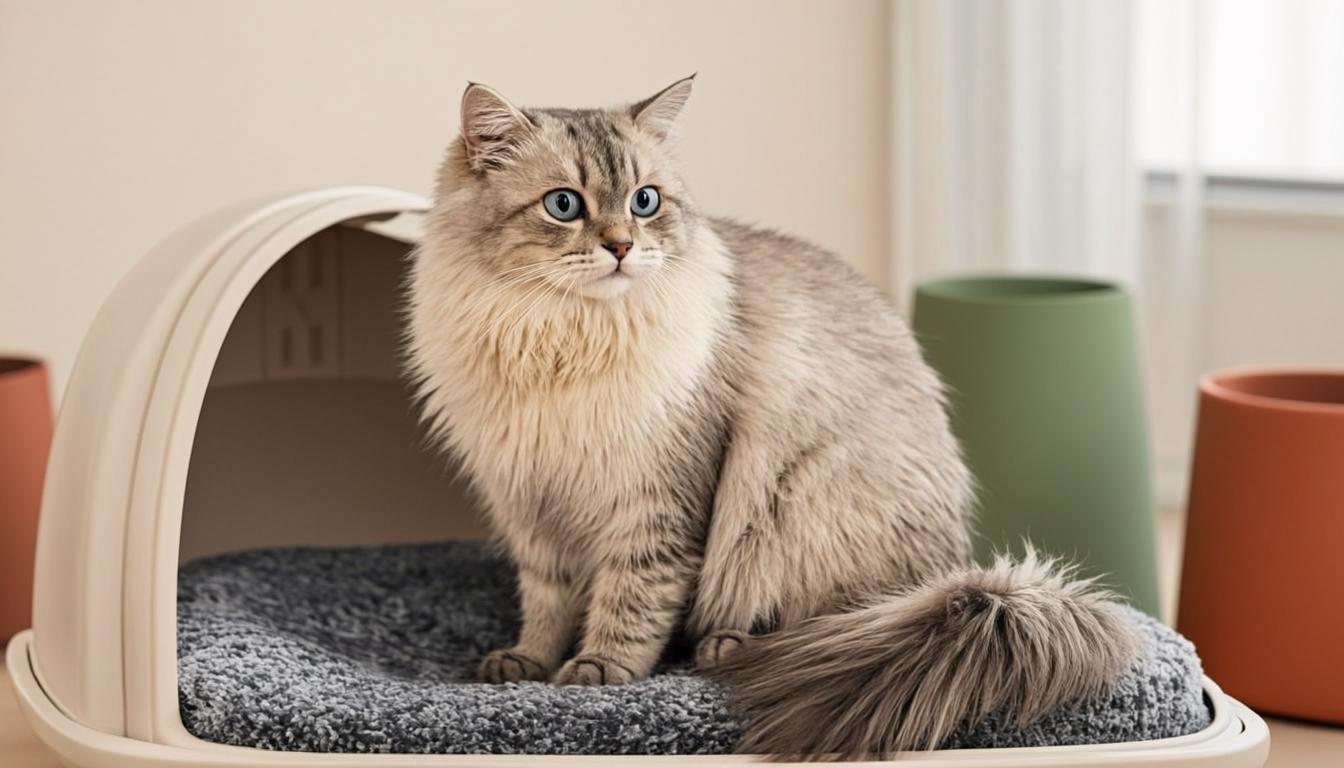
Quick answer: The best litter for an anxious cat is unscented, fine- to medium-grained, low-dust and clumping — Dr. Elsey's Ultra Precious Cat is the most-recommended starting point for problem cats, with World's Best (soft corn) and ökocat (soft wood) as gentle-texture alternatives. Fragrance is the enemy: perfumed litters read as chemical threats to a nervous cat. And pair the right litter with an open, quiet, correctly placed box — anxiety avoidance is usually setup, not substrate.
Litter box avoidance is the number-one behavioral reason cats lose their homes — and anxiety is behind a huge share of those cases. The cruel loop: a stressed cat associates the box with something frightening (a noise, a housemate ambush, a past pain episode), avoids it, gets scolded, and the association deepens. Litter choice can't fix a phobia alone, but the wrong litter actively feeds anxiety — while the right one removes half the reasons a nervous cat refuses the box.
How we evaluated: fragrance load (threat signal vs. human-pleasing), texture and paw feel, dust (a sneeze in a vulnerable moment creates lasting avoidance), clumping reliability, tracking, and — critically — which formulas the cat-behavior community actually recommends for problem cases.
What "anxious-cat litter" actually means
A nervous cat asks four things of its toilet, in this order:
- No smell but their own. Scented litters are formulated for human noses at the expense of feline ones. A cat's threat-assessment system runs through smell; perfume in the toilet reads like smoke in a bathroom. Always unscented for anxious cats — "odor shield" varieties are the opposite of what they need.
- Soft underfoot. Sensitive paws (declawed cats, seniors with arthritis, anxious cats who guard their bodies) prefer fine, sand-like grains over hard pellets. Texture complaints are among the top documented reasons for avoidance.
- Low dust. A cloud of dust every time they dig is a startle in the exact place they're supposed to feel safe. Low-dust isn't just respiratory hygiene for anxious cats — it's trust building.
- Predictability. Cats want the substrate to behave the same every visit: clumps that scoop clean, a surface that never changes texture mid-week. Top-dressing or switching litters abruptly is an anxiety trigger; changes should be graduated over a week.
The litters anxious-cat owners recommend
- Dr. Elsey's Ultra Precious Cat (our starting point): the formula famous for rescuing problem cats — ultra-fine scoopable clay, zero fragrance, low dust, plus a herbal attractant blend that gently lures hesitant cats back to the box. If a rescue or anxious cat is "missing" the box, this is the one behavior forums and shelters name first.
- World's Best Cat Litter (corn): soft, fine, genuinely low-dust, lightly clumping, with almost no smell of its own. A gentle pick for sensitive paws and seniors, though multi-cat households may need to scoop more often.
- ökocat Super Soft (wood): pellet-free soft-wood clumping litter with a natural, non-chemical smell cats tolerate well and far less tracking than clay. Strong pick for dusty-house anxiety and declawed cats.
- Feline Pine (pellet, non-clumping): kiln-dried pine with zero additives — the mildest option of all, but the pellet texture and non-clumping format are dealbreakers for cats who like to dig and bury. Reserve for cats who've accepted pellets already.
- Yesterday's News (recycled paper): soft, dust-free, unscented, non-clumping — the standard post-surgery and recovery recommendation, and a decent anxiety pick for cats with paw sensitivity who dislike all mineral litters.
Skip entirely for anxious cats: any "scented," "odor-boost" or deodorizing-pearl formula, and crystal litters with sharp edges (some cats mind; enough do that it's not worth the risk).
The box matters more than the litter
Here's the part litter brands can't advertise: for anxious cats, box setup outranks substrate. The checklist that behaviorists actually apply:
- Open boxes by default. Covered boxes trap odor at cat-nose level, create one escape route (ambush anxiety in multi-cat homes), and muffle the sounds of an approaching housemate. A nervous cat wants sightlines.
- One per cat, plus one — placed in different rooms, so no single corridor or hallway becomes a gauntlet. In multi-cat homes, social blocking of the litter box is the classic invisible stressor.
- Quiet, low-traffic, but not trapped. Away from the washing machine's spin cycle and the hallway racetrack, but not in a closet the dog guards. Corner visibility beats cozy cave.
- Big enough. The box should be roughly 1.5× the cat's length; many "litter problems" are just adult cats in kitten-sized boxes.
- Scooped daily, washed monthly. A nervous cat gives a dirty box less grace than a confident one.
Add a litter trapper mat outside the box — it keeps scattered granules from becoming a second, accidental texture zone cats then avoid.
When avoidance is medical, not behavioral
Sudden litter avoidance — especially with straining, frequent attempts, crying, or blood in urine — is a vet visit, not a litter change. Male cats can block completely within 24–48 hours, which is fatal untreated, and stress-related cystitis looks exactly like behavioral avoidance. Rule out pain first; then troubleshoot anxiety with the formula and setup above. For the deeper behavioral picture (territorial stress, household conflict), our guide to why cats act out and introducing a second cat cover the common anxiety sources.
FAQ
Q: What is the best cat litter for anxious cats? Start with Dr. Elsey's Ultra Precious Cat — unscented, ultra-fine, low-dust clay with a herbal attractant, and the formula most often recommended for problem and rescue cats. If your cat dislikes mineral litters, World's Best (soft corn) and ökocat Super Soft (fine wood) are the gentlest-texture alternatives. Whichever you choose, pair it with an open box in a quiet spot with full escape visibility — for anxious cats the setup often matters more than the substrate.
Q: Do cats prefer scented or unscented litter? Unscented, decisively. Studies on litter preference consistently show cats avoid perfumed litters — their olfactory world is orders of magnitude more sensitive than ours, and fragrance added for humans reads as a chemical signal in the one place a cat wants to feel safe. If odor is the problem, the fix is more frequent scooping and an open box, not perfume.
Q: Can litter box problems really be caused by anxiety? Yes — anxiety-driven avoidance is one of the most common behavioral referrals. Triggers include inter-cat conflict (especially blocked access in multi-cat homes), new pets or people, moves, loud appliances near the box, and painful past experiences that became associated with the box. The signature: the cat knows where the box is and avoids it specifically, often choosing soft alternatives (laundry, rugs) instead. Anxiety work plus litter and setup changes reverses most cases; punishment deepens them.
Q: How many litter boxes does an anxious cat need? The formula is one per cat plus one extra, in different rooms — never lined up in one location. An anxious cat needs an always-available escape route: if the housemate cat is loitering near the only box, the anxious cat holds it, which creates both avoidance and medical risk. Two cats = three boxes minimum, spread across the home with sightlines to approaches.
Q: Why is my cat suddenly not using the litter box anymore? Run the medical check first: straining, frequent small urinations, crying, or blood mean a same-day vet visit (urinary blockage in male cats is an emergency). If health is clear, audit the recent changes: new litter brand or scent, a moved box, a new pet, a baby, construction noise, or a dirty box. Revert whatever changed, return to an unscented soft litter, add a second box in a new quiet location, and give the cat a week of no corrections — most anxiety cases recover when the threat and the memory of scolding are both removed.
Bottom Line
For anxious cats, litter is a trust product: unscented, soft, low-dust, and consistent — with Dr. Elsey's Ultra Precious Cat as the proven starting point and World's Best or ökocat for sensitive paws. Then win the setup war: open boxes, one per cat plus one, quiet placement, daily scooping. Fix the environment and the substrate together, and most anxious-box stories end within a month — no perfume required.
FAQ — adding pheromones to the picture
Q: Do feline pheromone diffusers help with litter box anxiety? They can, as a supporting layer — not as the fix. The Feliway Classic diffuser mimics the facial pheromone cats deposit when they feel safe, and plug-in trials show reduced general stress behaviors (hiding, over-grooming, spraying). For litter avoidance specifically, the sequence that works is: rule out medical causes first, fix the litter and box setup (unscented, soft, open, one-plus-one-per-cat), and add the diffuser near the box area while retraining. Pheromones lower the baseline stress that makes a cat picky about the box; they don't override a litter the cat hates.


