Our verdict
Why dental care is the highest-return habit you're not doing
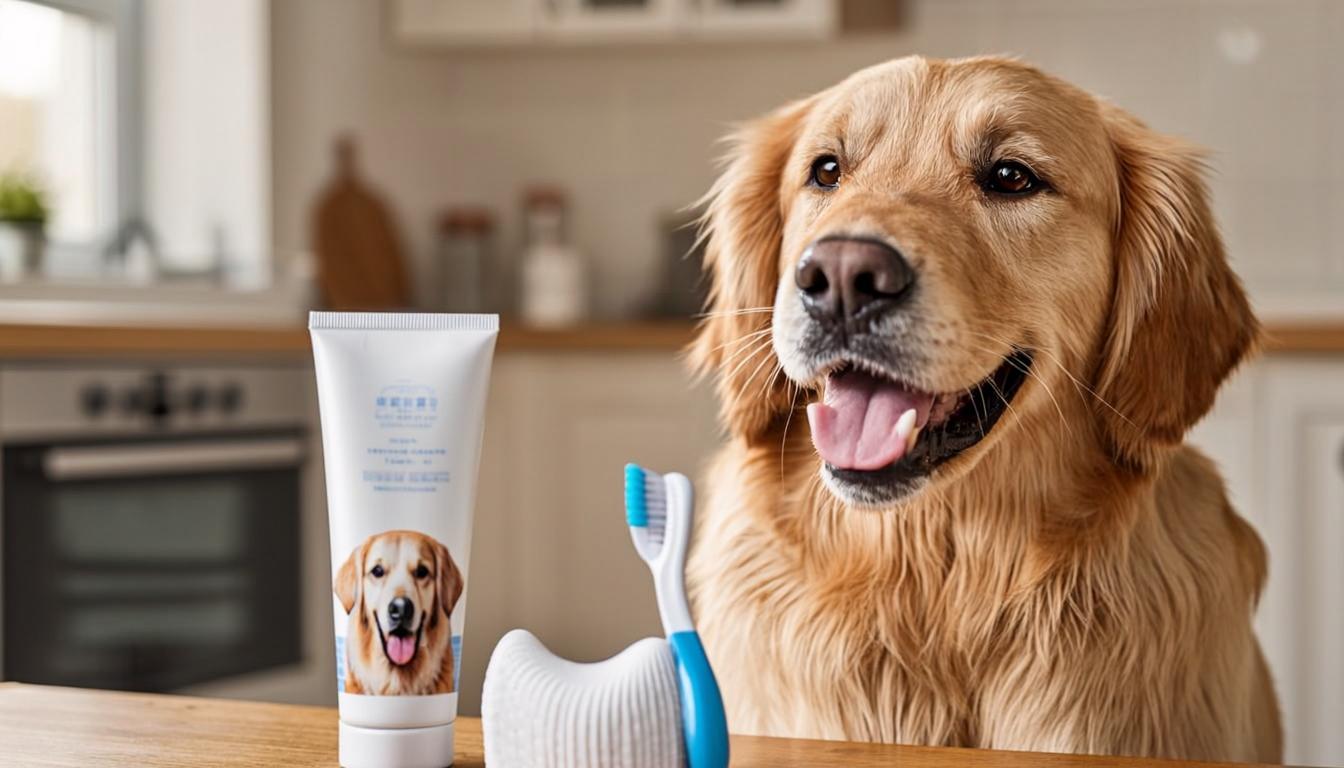
By age three, most dogs show some sign of gum disease — and it's not just about breath. Plaque hardens into tartar, gums recede, and the bacteria involved don't stay in the mouth. Regular brushing with an enzymatic paste is the single most effective thing an owner can do between professional cleanings, and the C.E.T. formula is the one veterinary staff most often demonstrate because it's been doing this job for a very long time.
How the enzymatic part works
The paste carries a dual-enzyme system designed to limit plaque buildup in the hours after brushing — which matters because nobody brushes their dog's teeth after every meal. It's safe to swallow, so there's no rinse step: brush, let them lick the brush, done. That detail is quietly why the habit sticks — the toothpaste doubles as the reward.
Starting the routine
Begin with the flavor on a finger or finger-brush for a week — let the dog lick it, then touch the teeth. Add the brush motion gradually, 20–30 seconds a side, front teeth first, back molars when trust allows. Three sessions a week is the practical minimum; daily is the goal. Cats can use the same paste, ideally started young and even more gradually.
The honest drawbacks
If tartar is already heavy or gums are bleeding, brush alongside a vet dental exam — paste can't reverse established disease, and brushing sore teeth teaches the dog to hate the routine. And flavor is personal: poultry wins most dogs over, but plan a try-and-see if the first flavor gets the cold shoulder.
What owners say
Summary of recurring themes in verified owner reviews, paraphrased from our research — not quotes or counts.
What owners praise: the poultry flavor is the closest thing to a dog opinion on toothpaste — most dogs accept the brush as part of the routine — and vet-recommended enzymatic formulas give owners confidence they're doing real preventive care.
Recurring complaints: results depend entirely on consistency; owners who expect one week of brushing to remove years of tartar are disappointed, and the tube cap design occasionally collects dried paste.