Why Cats Don't Drink Enough (And How to Fix It Without a Fight)
Pawstimate Research Team· Independent pet gear researchUpdated 7 min read

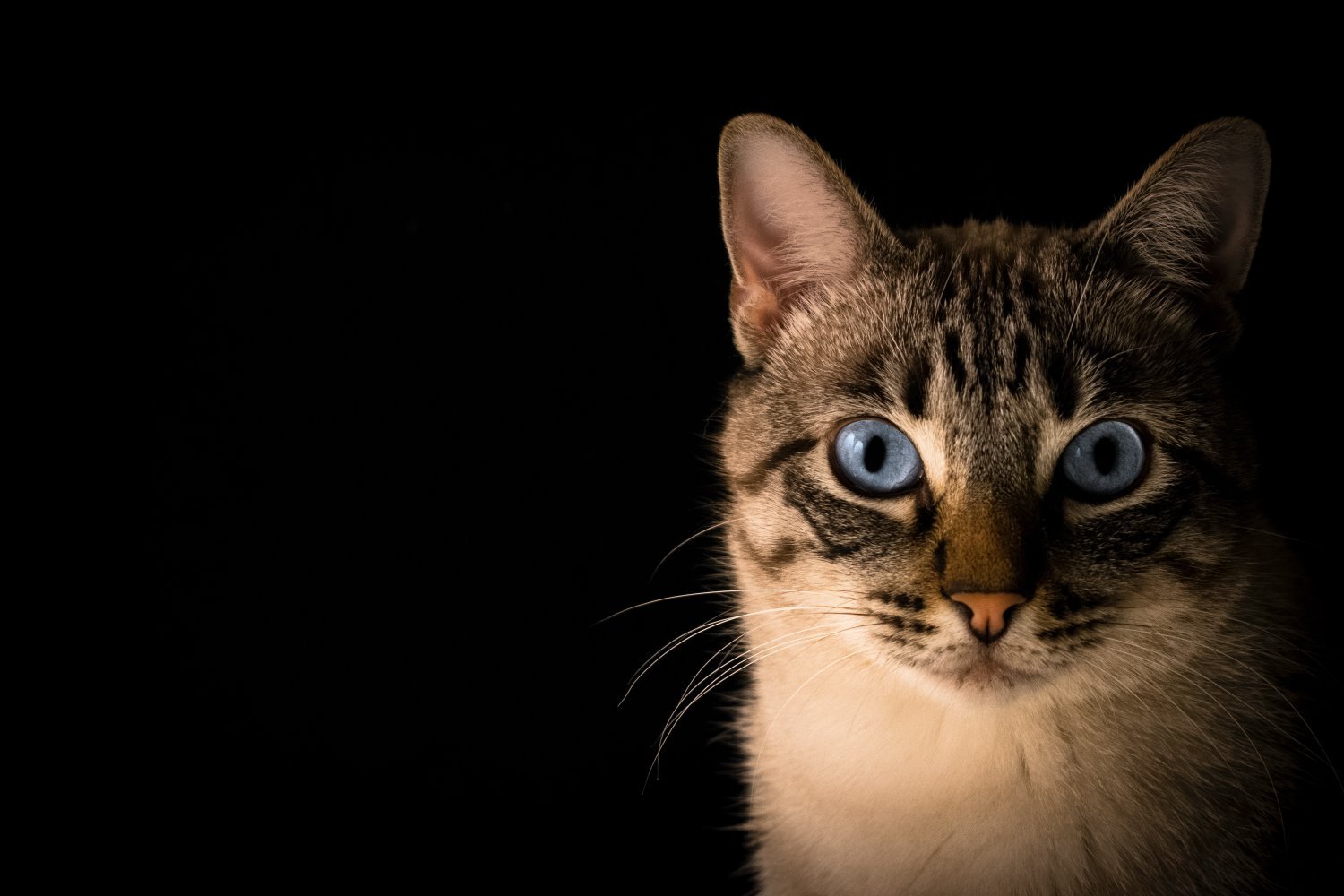
If you've ever refilled your cat's water bowl three times a day and still wondered whether they drink at all — you're not imagining it. Cats are, by ancestry, desert animals. Their ancestors got most of their water from the prey they ate, not from standing water, and the modern house cat inherited two things from that history: a weak thirst drive, and a suspicion of still water that runs deeper than pickiness.
Understanding that biology is most of the battle. The rest is working with it instead of against it.
Why the still bowl loses
To a cat, a bowl of motionless water reads as stagnant — and stagnant water, in the wild, is where disease lives. That's the instinct. It's why a cat will ignore a freshly filled bowl and then drink enthusiastically from a dripping tap, a shower floor, or the glass you left on the nightstand. The tap isn't a toy preference; it's the one water source in your house that behaves like running water is supposed to behave.
The consequence of under-drinking isn't dramatic day to day. It's chronic: concentrated urine, and over years, added strain on the kidneys and bladder. Feline kidney disease is one of the most common serious conditions in older cats, and while hydration isn't the only factor, veterinarians broadly agree that cats who drink more water carry lower urinary risk. Prevention here is boring and effective — which is the best kind.
The fountain fix
A circulating fountain gives cats the moving water their instincts trust. Owners who add one typically see the change within days: more trips to the water source, longer drinking sessions, less tap-hunting. If you try one, make it a stainless steel fountain rather than plastic — plastic develops micro-scratches that harbor biofilm (the slippery film that makes a fountain smell within weeks), and stainless cleans properly in a dishwasher. Quieter pump matters more than any feature listed on the box: cats abandon loud fountains, and so do light sleepers.
Two maintenance notes that decide whether the fountain keeps working: filters need replacing roughly monthly, and the pump wants a quick rinse at every refill. A dirty fountain is worse than a clean bowl — the cat won't use it, and you'll conclude fountains don't work when the real problem was slime.
Wet food is the cheat code
Here's the part accessory marketing doesn't emphasize: the single biggest hydration upgrade isn't a fountain at all. It's wet food. A cat eating canned food takes in most of their daily water through the food itself — wet food is roughly 70-80% water. A cat on dry-only kibble drinks some extra water to compensate, but never as much as the moisture gap.
If your cat is on dry food only, adding one pouch of wet food a day does more for their hydration than any bowl, fountain, or gadget. If budget or logistics make full wet feeding impractical, even one wet meal daily helps. Mix-feeders get the best of both worlds.
Move the water away from the food
This one costs nothing. Cats instinctively avoid water that sits near their food — a contamination-avoidance behavior, probably inherited from the same logic that says running water is safer than still. In practice: if the water bowl is next to the food bowl, moving it just a few feet away often produces an overnight increase in drinking. And water next to the litter box? Worst possible placement. Give the water its own spot in a quiet, low-traffic corner.
Other small wins that add up:
- Multiple stations. One bowl per floor of the house. Cats drink where they happen to be.
- Wide, shallow bowls. Whisker fatigue is real — deep, narrow bowls brush the whiskers with every sip, and some cats drink less because of it.
- Keep it fresh. A daily refill beats a weekly scrub-and-fill. Cats notice stale water even when we don't.
When it's a vet problem, not a bowl problem
The flip side of under-drinking is sudden over-drinking, and both extremes deserve attention. If a cat who always used the box starts missing it, or if you notice your cat drinking dramatically more than usual — standing at the bowl, emptying the fountain — that's not an accessory problem. Increased thirst is one of the earliest visible signs of kidney disease and diabetes in cats, and early detection changes outcomes enormously. Bloodwork at your next vet visit is cheap insurance; mention the water-bowl observations you've made. Vets can only act on what you tell them, and 'my cat suddenly drinks twice as much' is exactly the kind of detail that triggers early testing.
The short version
Cats under-drink because of biology, not stubbornness. Work with it: moving water via a stainless fountain, wet food at least once a day, water stations away from food, wide bowls, fresh refills. Track roughly how much your cat actually drinks for a week — you'll learn their normal, and you'll catch abnormal early. That's the whole game with cat hydration: small, boring, consistent wins that add years.
We research pet products by comparing listings, veterinary guidance and verified owner feedback — read how we evaluate in our editorial policy. Some links on this site are paid affiliate links.
FAQ
Q: Why do they say cats don't drink enough water? Because cats carry a desert ancestor's plumbing: an extremely weak thirst drive that was never meant to be their main hydration source. Wild cats got most of their water from prey — a mouse is roughly 70% moisture — so the instinct to drink from a bowl barely evolved. Add in feline preferences that we humans keep violating (stale standing water, narrow deep bowls, water next to food, whisker-touching bowl edges, weird-tasting tap water) and a cat can live chronically 5–10% below ideal hydration without anyone noticing — until crystals, constipation or kidney strain show up years later.
Q: How do I get my cat to drink more water? Work with the instincts, not against them: switch to a circulating water fountain (moving water reads as "fresh and safe" to a cat's brain), place multiple bowls away from food and litter, use wide shallow bowls that don't touch whiskers, and — the single biggest lever — feed wet food, which instantly triples the moisture in a cat's diet compared with kibble. Some cats also prefer water at floor level in several rooms, or a pinch of water drizzled on food. If your cat suddenly drinks much more (or much less) than usual, that's a vet visit, not a bowl problem — both can signal diabetes or kidney disease.


