The Pet Parent's Road-Trip Checklist: 24 Things Not to Forget
Pawstimate Research Team· Independent pet gear researchUpdated 8 min read

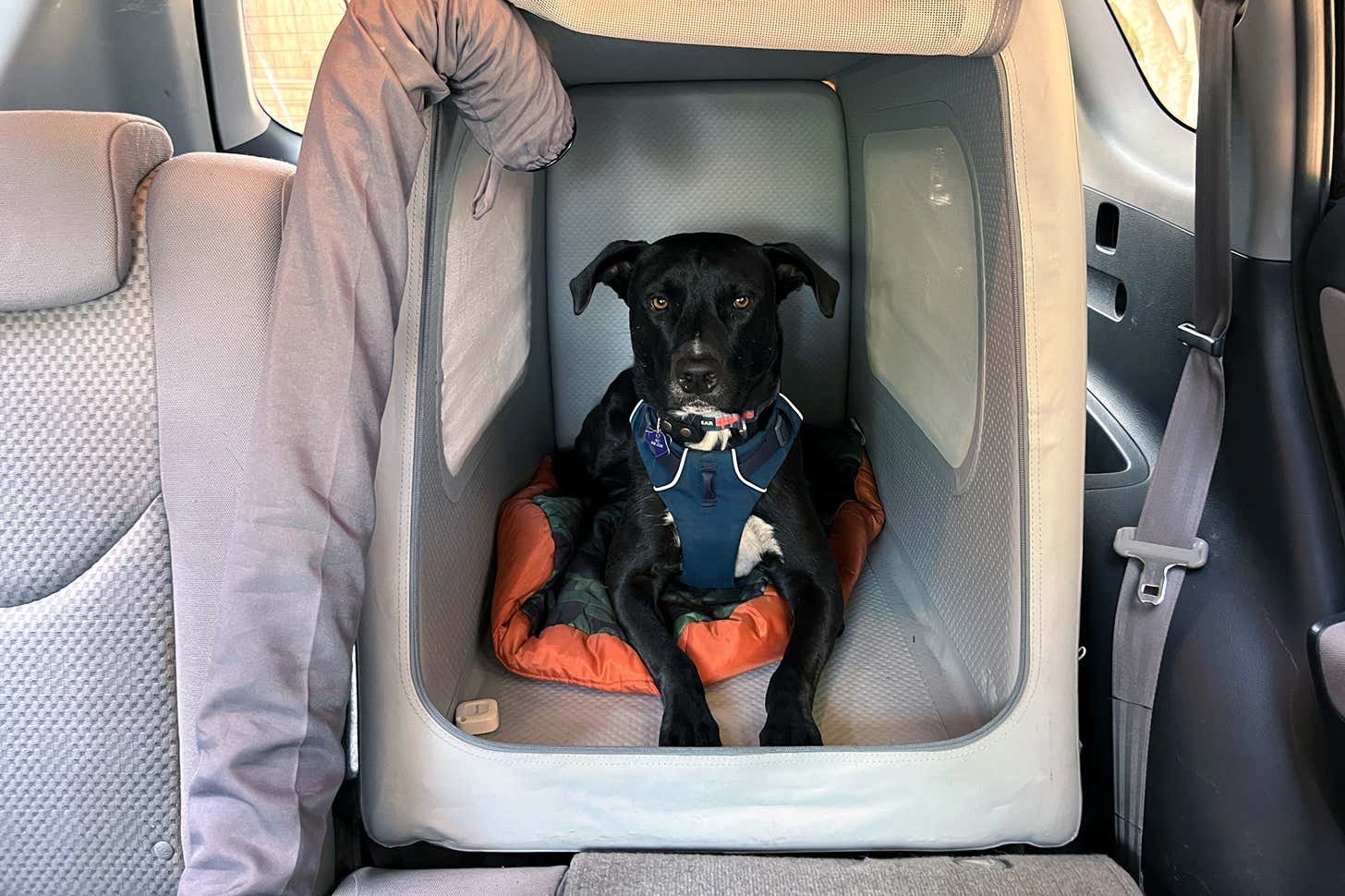
Most pet travel stress doesn't come from the trip — it comes from one forgotten item, discovered at the worst possible moment. After combing through what experienced travelers and vet-visit checklists consistently include, here's the version we'd actually pack: 24 items across four groups, with the reasoning where it matters.
The travel essentials (1-8)
- A crash-tested or well-fitted travel carrier — even for road trips. In a sudden stop at 40 mph, a loose 20-pound pet becomes a 20-pound projectile. For dogs, a crash-tested harness or secured crate; for cats, a closed carrier every time.
- A collapsible travel bowl that clips to the leash or daypack. Water at rest stops is the whole game on summer drives.
- Water from home in a jug. A sudden change of water source is a classic trigger for travel diarrhea — the kind of detail that ruins a hotel night for everyone.
- The food your pet already eats, portioned into daily bags. Do not switch foods on a trip; new food plus new stress plus new water is the trifecta of tummy trouble.
- Medications — plus a photo of the prescription label and a week of extra doses, because trips extend.
- A leash, plus a backup leash. Leashes break at the worst moments, usually the first rest stop on day one.
- Waste bags and, for cats, a small sealed container of litter plus disposable trays for hotel nights.
- A familiar-smelling blanket from home. Scent is the strongest calmer you can pack — it's the difference between a pet that settles in the hotel and one that patrols until 2 a.m.
The documents (9-14)
- Vaccination records — a photo on your phone is usually enough, but some boarding and emergency facilities want paperwork.
- A recent photo of your pet, in case you're separated. Full-body plus a close-up of the face.
- Your vet's phone number, saved offline — not just in the cloud; cell service dies exactly where you need it.
- The number and address of an emergency vet at your destination. Look this up before you leave; searching 'emergency vet' at midnight in an unfamiliar town is not the planning you deserve.
- Pet insurance details if you carry them.
- Health certificate or travel documents if your destination requires them (some states, airlines, and borders do — check in advance, certificates often have time windows).
The comfort items (15-20)
- A familiar bed or mat — for anxious curlers, a donut-style calming bed that smells like home turns any hotel room into theirs.
- One favorite toy. Just one — too many new smells at once is its own stressor.
- A chew or puzzle toy for evenings in the hotel room; a treat-dispensing puzzle burns nervous energy indoors better than a second walk.
- A pheromone spray or wipe for the carrier and hotel room — some pets respond noticeably; cheap to try.
- A small towel for muddy paws, wet swims, and hotel-room damage control.
- A pen-light or headlamp for late-night potty breaks in unfamiliar yards.
The things almost everyone forgets (21-24)
- A spare car key. Locked out of the car with a dog inside in summer is a genuine emergency, and it happens to someone every hot day.
- A printed list of pet-friendly stops on your route. Planning rest stops every 2-3 hours turns a long drive from an endurance test into a routine.
- A non-spill water option for the car — a crooked collapsible bowl on a floor mat works; an open bowl in a cupholder doesn't.
- Patience, specifically for the first hour. The first hour of any trip is the hardest for a pet — the novelty fades, the routine appears, and by day two most animals are travelers. Plan the first stretch short, end it somewhere good (a park, a walk), and let the routine do the rest.
Two quick rules that prevent most disasters
Never leave a pet in a parked car — temperatures become dangerous in minutes, not hours, even with windows cracked. And microchip before you travel (and verify the registration is current): collars come off; chips don't. Both of these are five-minute preparations that cover the two worst scenarios on the road.
The short version
Secure the pet, bring the water they know, pack the papers, copy the smells of home, plan the stops, and look up the emergency vet before you need one. Do those six and the checklist becomes muscle memory — the kind of boring preparation that makes pet travel look effortless to everyone watching.
We research pet products by comparing listings, veterinary guidance and verified owner feedback — see our editorial policy. Some links on this site are paid affiliate links.
FAQ
Q: What should be on a road trip checklist for pets? The core kit: a crash-tested harness or car seat restraint (a loose 60 lb dog in a 30 mph stop becomes a 2,700 lb projectile), collapsible water bowls and bottled water, their regular food plus a day extra, medications, leash and backup collar with ID tags, vaccination records and your vet's phone number, poop bags and paper towels, a favorite bed or blanket so hotel rooms smell like home, and — for cats and nervous dogs — a lined carrier. Photograph your pet the morning of the trip: a current photo is the single most useful thing if a door opens unexpectedly.
Q: How often should you stop on a road trip with a dog? Plan a break every 2–3 hours: water, a short walk, and a bathroom chance. Dogs don't always signal need on the road, so schedule stops even when the dog seems fine. Feed light on travel days (a full meal before a long drive invites nausea), never leave a dog in a parked car where temperatures swing fast, and give the last stop of the day extra minutes — arriving calm matters more than arriving fast. Cats and small pets do better with fewer, longer stops: keep carriers covered and offer water at each break.


